Planning a Hospital Birth in Traverse City: A Doula’s Guide to Munson Medical Center
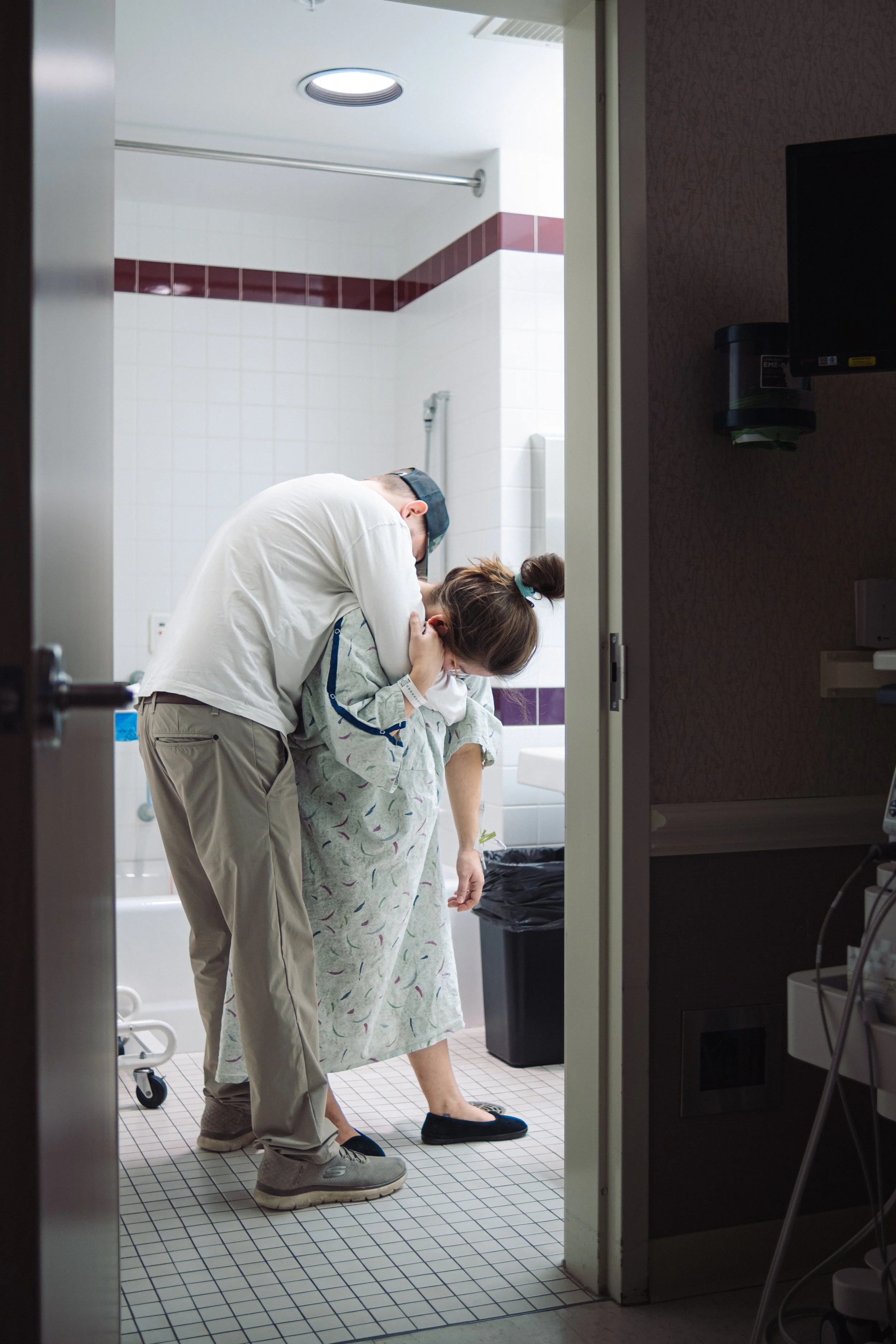
Munson Family Birth Center
Preparing to give birth in Northern Michigan comes with so many exciting decisions. For many local mamas planning a hospital delivery, that path leads to Munson Medical Center right here in Traverse City.
As a birth doula, my goal is never to sell you on a specific birth location, but to help you feel informed, confident, and supported wherever you choose to deliver. Every birthplace has its own system, and stepping into a clinical hospital environment can feel overwhelming if you do not know what to expect.
Understanding how hospital births work locally helps you walk through those labor doors feeling grounded and ready to advocate for your preferences. Here is a practical, down-to-earth guide to navigating a hospital birth at Munson Medical Center, how we prepare together beforehand, and why continuous doula support makes such a difference.
Hospital Logistics: Arrival, Entrance Hours, and Visitor Guidelines
Taking the mystery out of hospital protocols goes a long way in lowering pre-birth anxiety. Munson Healthcare offers community classes, including Childbirth Preparation, Breastfeeding Education, and Baby Care. These can be helpful for learning basic hospital routines and newborn care before your baby arrives.
When it comes to check-in day, here is how the timing and arrival work:
Main Entrance Hours: The main hospital entrance is open from 5:00 AM to 9:00 PM. During these daytime hours, you can walk through the main doors and check in at the front desk.
After-Hours Arrival (9:00 PM to 5:00 AM): If labor starts in the middle of the night, the main entrance doors will be locked for security. You will enter through the Emergency Department entrance instead, where staff will check you in and direct you up to the birthing center.
Support Person & Visitor Guidelines: During labor, you are typically permitted your primary support person (like your partner) plus a second support person, as well as your certified doula. One adult support person and doula is welcome to stay overnight in your private room. During postpartum, general visiting hours (6:00 AM to 9:00 PM), up to 4 visitors can visit at a time, including your baby’s siblings.
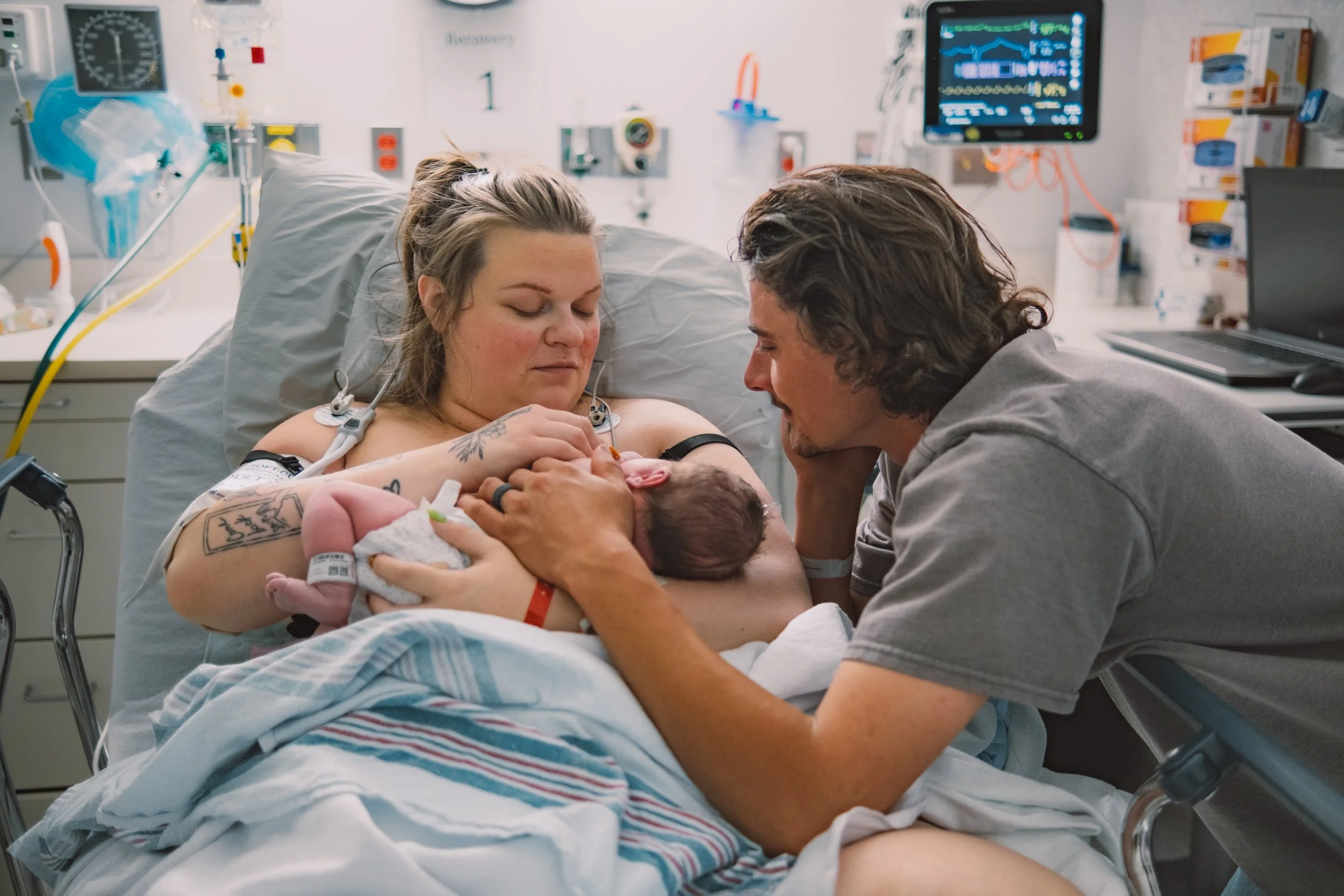
What the Hospital Provides (and What to Bring Yourself)
When you check into your private room at the Family Birth Center, you will have access to standard comfort tools like birth balls, peanut balls, and a private bathroom with a shower and tub to help manage labor sensations.
To take some pressure off your hospital packing list, the hospital supplies basic physical necessities right in your room:
For Your Postpartum Healing: Mesh underwear, heavy-duty maternity pads, peri bottles, perineal cooling ice packs, and soothing sprays.
For Your Newborn: Diapers, wipes, basic onesies, swaddle blankets, and a halo sleep sack to use during your stay.
While the hospital provides these basic physical supplies, bringing your own cozy clothing, labor gown, pillow, blanket, adult diapers, and personal care products can go a long way in making a clinical room feel much more like home.
What to Expect for Food & Dining During Your Birth at Munson Medical Center
One of the most practical questions expecting parents ask when packing their hospital bag is, "What are our food options during labor and postpartum?" Here is how food and dining work at Munson Medical Center:
In-Room Dining for Laboring & Postpartum Mamas: Once admitted, laboring and postpartum parents can order meals directly from the hospital's in-room dining menu, delivered right to your room so you don't have to interrupt your rest or recovery.
Meal Cards for Partners & Support Persons: Partners and support visitors can also order directly from the in-room menu alongside you! All they need to do is purchase a meal card downstairs at the cafeteria, which allows them to order and dine right in the room without having to leave your side.
24/7 Cafeteria Access: If your partner or support team needs a quick coffee, snack, or late-night meal, the Munson Medical Center cafeteria is open 24 hours a day, 7 days a week, and accepts all major credit/debit cards.
Doula Tip: While Munson offers great dining options, I always recommend packing a small tote of easy, nutrient-dense snacks and electrolyte drinks for both you and your partner to keep your energy up during early labor!
Building Your Foundation: Personalized Prep & Birth Preferences
Your medical team is dedicated to keeping you and baby safe, while doula care is all about supporting your comfort, preferences, and peace of mind. Long before labor begins, we work together to explore your options, build your confidence, and ensure you feel fully prepared to welcome your baby.
During our prenatal sessions together, we dive deep into your unique goals.
Custom Childbirth Preparation: We break down the physiology of labor, what early contractions feel like, and how your body works during birth. We practice hands-on comfort techniques, breathwork, and labor positions so you and your partner feel fully prepared.
Collaborative Birth Preference Planning: We draft a clear, visual birth plan tailored to your values. Whether you are aiming for an unmedicated birth, planning for an epidural, or preparing for a gentle belly birth, we outline your wishes for labor, pain management, and immediate newborn care.
Navigating Options in a Hospital Setting: We talk through common hospital procedures, interventions, and pain relief choices available locally. You will learn how to ask the right questions using the BRAIN acronym (Benefits, Risks, Alternatives, Intuition, Next steps) so you never feel rushed or caught off guard.
The Real Benefits of Having a Doula at Your Hospital Birth
A birth doula does not replace your clinical care team; instead, we work right alongside your nurses and OB/GYN or midwife. While hospital nurses manage clinical checks, shift paperwork, and monitor baby, your doula stays by your side as a constant, continuous presence focused entirely on your comfort.
Having dedicated doula support during a hospital birth brings invaluable benefits:
Continuous Physical Care: From hip squeezes during intense contractions to helping you change positions with a peanut ball, continuous physical support helps reduce pain and keeps labor moving smoothly.
Support for Your Partner: Birth can be overwhelming for partners, too. I help guide your partner on exact ways to support you, ensuring they feel confident and included without the pressure of having to remember every technique from class.
A Familiar Bridge Through Shift Changes: Hospital staff rotate shifts throughout the day and night, but your doula stays with you from active labor through your first hours postpartum. That continuous familiarity keeps your environment calm and grounded.
Lower Risk of Interventions: Studies consistently show that continuous doula support leads to higher satisfaction with birth, smoother labor progression, lower rates of unexpected C-sections, and reduced need for medical interventions.
Getting Off to a Smooth Start with Postpartum Feeding

Once your baby is born, those first few hours are all about rest, bonding, and getting feeding established. Hospital staff can assist with initial feedings, but learning to nurse or pump is a physical skill that takes time, practice, and patience for both you and your baby.
If you encounter a tricky latch, soreness, or flange sizing questions once you head home, having continuous, personalized feeding support makes all the difference in keeping your postpartum journey stress-free.
Planning Your Traverse City Birth Experience
Whether you are just starting to put your birth preferences together or putting the final touches on your prep, you deserve to feel completely supported every step of the way.
If you are planning a birth in Northern Michigan and want a compassionate partner to walk through pregnancy, birth, and postpartum care right alongside you, let's connect.

Ash - The Traverse City Doula & Birth photographer
Contact Ash to book a free consultation!